

Free Consultations 408-848-1113 En Español
Common Types of Occupational Hazards in Healthcare
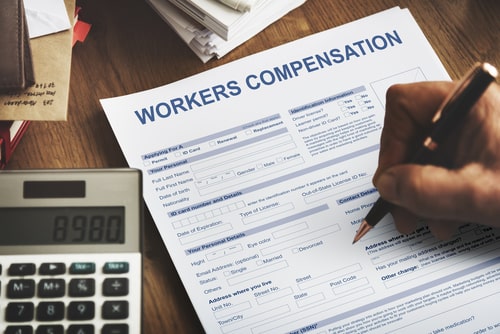 Common occupational hazards in healthcare include everything from exposure to infectious diseases to workplace violence. All of these can lead to serious injury or illness for those who care for others. Healthcare workers dedicate their careers to helping patients. They often face significant risks to their own health and safety in the process.
If you've been injured on the job in the healthcare field in 2026, our Gilroy, CA workers' comp lawyer can help you understand your rights and pursue the benefits you deserve.
What Are the Most Common Injuries Healthcare Workers Face?
Healthcare workers face a wide range of occupational hazards due to the physical and emotional demands of patient care. Musculoskeletal injuries are among the most common. They often result from repeatedly lifting, transferring, or repositioning patients. These injuries can affect the back, shoulders, and neck. They sometimes lead to long-term pain and disability.
Under California Labor Code Section 3600, most workplace injuries suffered while performing job duties qualify for workers' compensation benefits. This is true regardless of who was at fault for the injury. This no-fault system means healthcare workers don't need to prove their employer did something wrong to receive benefits for these common injuries.
Why Are Lifting Injuries So Common in Healthcare Settings?
Many healthcare jobs require frequent manual patient handling. This includes:
- Lifting patients from beds
- Assisting with mobility
- Repositioning patients who can't move on their own
This repetitive strain can lead to chronic injuries over time, even when proper lifting techniques are used. Facilities that lack adequate lifting equipment or sufficient staffing often see higher rates of these injuries among their workers.
What Is the Risk of Infectious Disease Exposure in Healthcare?
Healthcare workers face a higher risk of exposure to infectious diseases than almost any other profession. This is due to their close and frequent contact with sick patients. This can include exposure to airborne illnesses, bloodborne pathogens, and other contagious conditions that require careful precautions to avoid transmission.
Needlestick injuries are a particularly serious concern. They can expose healthcare workers to bloodborne diseases like hepatitis B, hepatitis C, and HIV. Needlestick injuries remain a persistent risk in busy healthcare environments, even with proper safety protocols in place.
What Are Common Workplace Hazards Beyond Physical Injury in Healthcare?
Healthcare workers face several occupational hazards beyond physical injuries alone. Common hazards include:
- Exposure to hazardous chemicals used for cleaning and sterilization
- Workplace violence from patients experiencing confusion, aggression, or mental health crises
- Radiation exposure for workers in imaging or radiology departments
- Latex allergies from frequent glove use
- Burnout and chronic stress from demanding work schedules and emotional labor
Each of these hazards can lead to different types of health problems. Some develop gradually over years of exposure rather than from a single incident.
Can Healthcare Workers File a Workers' Comp Claim for Workplace Violence?
Workers' compensation in California generally covers injuries from workplace violence, including attacks by patients or visitors. This is true as long as the injury occurred while performing job duties. This includes physical injuries and, in some cases, psychological injuries resulting from a violent or traumatic incident at work.
Hospitals and healthcare facilities, particularly emergency departments and psychiatric units, often see higher rates of workplace violence. This has led to increased attention on safety protocols in these settings.
How Long Do You Have to File a Workers' Comp Claim in California?
California Labor Code Section 5405 generally provides a one-year deadline for workers' compensation proceedings. The timeline is measured from the applicable date of injury or certain other events specified by law.
For an occupational disease or an injury that builds up over time, Labor Code Section 5412 says the "date of injury" is whichever comes later: the day you first became disabled by the condition, or the day you knew (or should have known) that your job caused it.
If you miss this deadline, you could lose your right to workers' compensation benefits. That's why it's important to act quickly once you believe an injury or illness is connected to your job.
Why Do Employers Sometimes Dispute Healthcare Worker Claims?
Occupational injuries in healthcare can sometimes be disputed by employers or insurance companies, particularly those that develop gradually like musculoskeletal injuries. They may argue the injury wasn't work-related or resulted from a pre-existing condition. Having thorough documentation of your job duties, injury history, and medical treatment can help counter these types of disputes. Hiring experienced legal representation is also an asset to your claim.
Contact Our Santa Clara County, CA Workers’ Compensation Attorney for a Free Consultation
Attorney Raul Martinez has over 15 years of legal experience helping healthcare workers throughout California recover the benefits they're entitled to. He understands the unique risks healthcare professionals face on the job. He works to make the claims process as clear and manageable as possible for his clients.
Contact Raul Martinez Injury Law Firm at 408-848-1113 to talk to our Gilroy, CA workers' comp lawyer today.
Our Experience.
Your Recovery.
If you are facing challenges with a workers’ compensation claim, reach out to Raul Martinez Injury Law Firm today. You will receive clear guidance, steady support, and an advocate who understands how much this moment matters. Call 408-848-1113 to get the help you need.