

Free Consultations 408-848-1113 En Español
Recent Blog Posts
Can You Reopen a California Workers’ Comp Claim if Your Injury Gets Worse?
 Finishing a workers’ compensation case does not always mean your recovery goes as expected. An injury that seemed stable could later cause greater pain or keep you from doing work you had resumed.
California allows some injured workers to reopen their cases for additional benefits. The choices available to you depend on how the case ended and when you seek the change. If your work injury has worsened in 2026, our San Benito County, CA workers’ compensation attorney will explain your options.
What Changes Allow You to Reopen a California Workers’ Comp Case?
Reopening requires a legal basis for changing the earlier award. When an injury gets worse, that basis is often called "new and further disability." This means the original work injury has caused additional disability beyond what the award addressed.
For example, a worker might receive an award for a knee injury, return to work, and later develop greater limitations from that same injury. Medical support connecting the decline to the original injury could support reopening.
How Can an Injured Worker Address Willful Misconduct by an Employer?
 Getting hurt after warning your employer about a danger at work raises difficult questions. You could face a long recovery from an injury the company had a chance to prevent.
California provides extra compensation when an employer’s serious and willful misconduct causes a work injury. Carelessness alone does not meet that standard. If you believe your employer’s misconduct caused your injury in 2026, our Santa Clara County, CA workers’ compensation attorney will explain your options.
What Counts as Serious and Willful Misconduct by a California Employer?
Serious and willful misconduct goes beyond making a mistake or failing to use reasonable care. It involves deliberately causing harm or acting with knowledge that serious injury is likely. Recklessly ignoring the likely harm also meets the standard.
For example, a manager might order workers to use a machine despite knowing its missing guard makes serious injury likely. That decision could support a claim. A missed repair, without that knowledge or reckless disregard, does not establish the same level of misconduct.
What Is a Utilization Review in a California Workers’ Comp Case?
 When your doctor recommends treatment for a work injury, waiting for insurance approval adds another concern to your recovery. You might wonder why the insurance company needs to review the care your doctor says you need.
Utilization review is the process used to decide whether treatment is medically necessary. It affects whether workers’ compensation will approve that care. If a review is delaying your medical treatment in 2026, our Santa Clara County, CA workers’ compensation attorney will explain your options and help you address the dispute.
How Does Utilization Review Work in California Workers’ Compensation?
Your treating doctor starts the process by sending a request for authorization (RFA). The request explains what care you need and includes medical records supporting it. The company handling your claim compares that request with California’s treatment guidelines. These guidelines explain which treatments are recommended for certain work injuries and when they should be used.
When Can Police Officers Receive Workers’ Compensation in California?
 Police work involves risks beyond injuries during arrests or emergency calls. Repeated physical strain and exposure to harmful substances can also lead to conditions that affect an officer’s ability to work.
Police officers qualify for workers’ compensation benefits when an injury or illness is work-related. Certain officers also receive additional protections, including salary continuation during recovery. If you've had a police-work-related injury while on duty in 2026, a Morgan Hill, CA workers’ compensation attorney can review your eligibility and help you pursue your claim.
When Does a Police Officer’s Injury Qualify for Workers’ Compensation in California?
An injury qualifies when it arises from the officer’s work and occurs in the course of employment. Officers do not need to prove that their department or another person was at fault.
Can the Use of Medical Marijuana Affect a California Workers’ Comp Claim?
 California allows medical cannabis use for qualifying patients. Still, marijuana use can raise questions after a workplace injury. This is especially true if an employer claims that cannabis played a role in the accident.
Medical marijuana use does not automatically prevent you from receiving workers’ compensation benefits. However, the cause of your injury could be an important factor. If cannabis becomes an issue in your claim in 2026, our Santa Clara County, CA workers’ compensation lawyer can review what happened and explain your rights.
When Can Marijuana Use Affect a California Workers’ Comp Claim?
California workers’ compensation is generally a no-fault system. However, marijuana use can affect a workers’ compensation claim if an employer argues that the worker was intoxicated and that the intoxication caused the injury.
What Happens if You Can’t Return to Your Old Job After a California Work Injury?
 California workers' compensation offers benefits and other options when you cannot return to your former job. The benefits include permanent disability payments based on how much function you lost, a voucher that pays for retraining at a school of your choice, and a separate one-time payment the state provides to injured workers who do not get their job back.
Which ones apply depends on your medical condition and whether your employer offers you other work. If a workplace injury has kept you from returning to your old job in 2026, a Santa Clara County, CA workers' compensation lawyer can help you understand your options.
What Happens When Your Doctor Says You Cannot Return to Your Old Job After a Workplace Injury in California?
Your doctor can set limits on certain job duties while you recover. For example, you could be restricted from heavy lifting or spending long periods on your feet.
Appealing Unfair Settlements for Your Job-Related Injury

If a workers’ compensation settlement offer seems too low, you do not have to accept it simply because the insurance company presented it. You can negotiate the offer or take the dispute before a judge.
If you are considering a settlement in 2026, it is important to understand what you could be giving up before you sign. A San Benito County, CA workers’ compensation lawyer can review the offer and help you pursue the benefits you are entitled to.
Do You Have to Accept a California Workers’ Comp Settlement Offer?
You are not required to accept a settlement offer from the insurance company. The California Division of Workers’ Compensation (DWC) states that injured workers can negotiate a settlement when they disagree with the amount offered. If the two sides cannot agree, a workers’ compensation judge can decide the dispute.
Before accepting an offer, make sure you understand what it covers. A settlement can affect your disability payments and your right to future medical care.
What Happens if Your Employer Has No Workers’ Comp Insurance in California?
 Getting hurt at work can be stressful, especially if you learn that your employer has no workers’ compensation insurance. You’re left wondering who will pay your medical bills or cover part of your lost wages.
California law still gives injured workers ways to seek benefits when an employer is uninsured. If you were hurt while working for an uninsured employer in 2026, a Santa Clara County, CA workers’ compensation attorney can explain what options are available to you.
Are California Employers Required to Have Workers’ Comp Insurance?
According to California Labor Code Section 3700, California employers must have workers’ compensation coverage, even if they have only one employee. Employers can buy insurance or get state approval to insure themselves. An employer that fails to get required coverage is illegally uninsured.
Can You File a Workers’ Comp Claim for an Occupational Disease in California?
 Not every workplace injury happens in a sudden accident. Some workers become ill after months or years of exposure to harmful conditions on the job. California workers’ compensation may cover an occupational disease when a worker’s job caused or contributed to the illness.
If you’ve experienced a job-related illness or cumulative injury in 2026, you may be entitled to medical care and other workers’ compensation benefits. A San Benito, CA workers’ compensation attorney can help determine whether your illness may qualify and what evidence you need to support your claim.
What Is an Occupational Disease in California?
An occupational disease is an illness caused by a worker’s job or working conditions. Unlike workplace injuries that happen after a single accident, these conditions develop over time. California Labor Code § 3208.1 defines a cumulative injury as one caused by repeated work activities that result in disability or a need for medical treatment.
How Long Does a California Workers’ Compensation Claim Take?
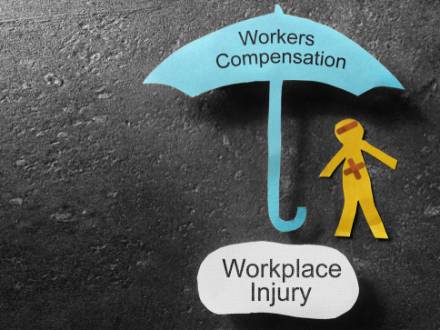 A California workers' compensation claim can take anywhere from a few months to over a year. This depends on a few things. It matters whether your employer disputes the claim, how quickly you reach maximum medical improvement, and whether your case requires a hearing before a judge. Waiting for benefits while you're injured and unable to work can feel incredibly stressful. This is especially true when bills keep coming in.
If you're navigating this process in 2026, our Santa Clara County, CA workers' compensation lawyer can help you understand what to expect and keep your claim moving forward.
What Happens in the First Few Weeks After You Report a Workplace Injury?
After you report a workplace injury, your employer must generally provide you with a workers' compensation claim form. Under California Labor Code Section 5402, once you file the claim form, your employer must authorize appropriate medical treatment within one working day while the claim is being investigated.
Our Experience.
Your Recovery.
If you are facing challenges with a workers’ compensation claim, reach out to Raul Martinez Injury Law Firm today. You will receive clear guidance, steady support, and an advocate who understands how much this moment matters. Call 408-848-1113 to get the help you need.